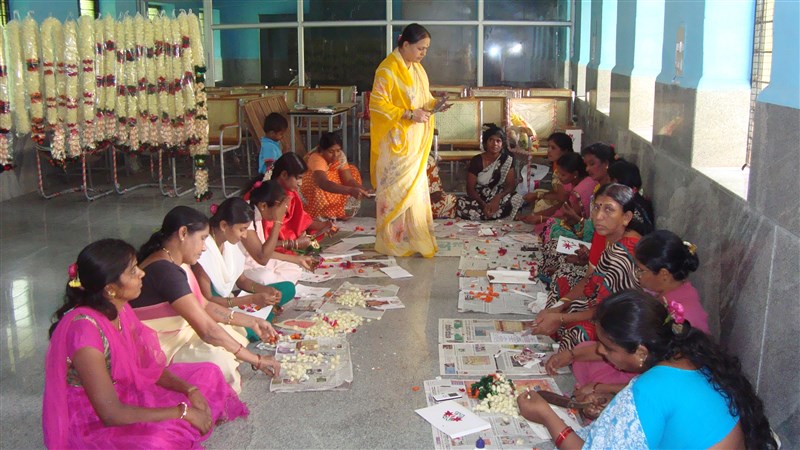
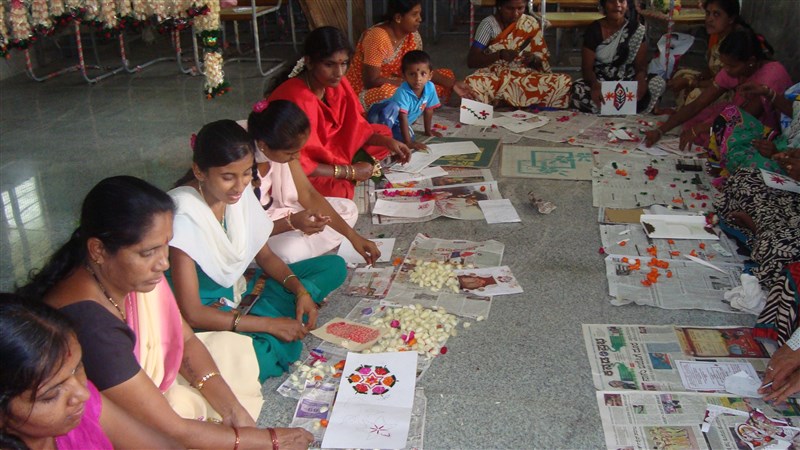
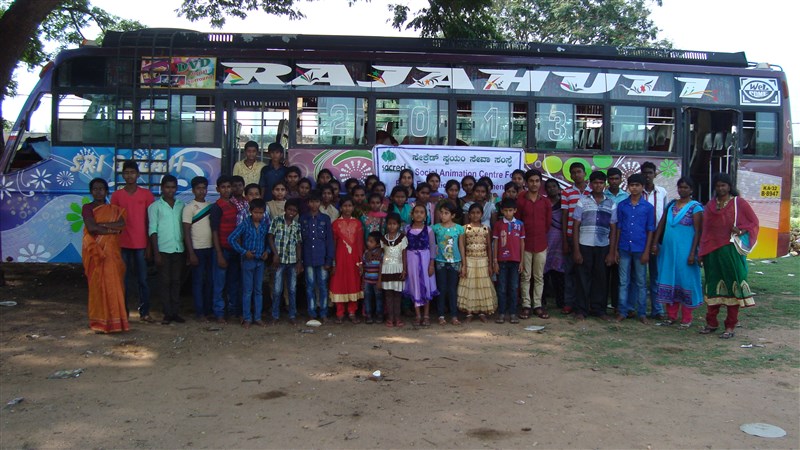
Published July 9, 2017 Leave a Commenton Skill training for Vermi Rearing
Vermicompost (or vermi-compost) is the product of the composting process using various species of worms, usually red wigglers, white worms, and other earthworms, to create a heterogeneous mixture of decomposing vegetable or food waste, bedding materials, and vermicast. This process of producing vermicompost is called vermicomposting.
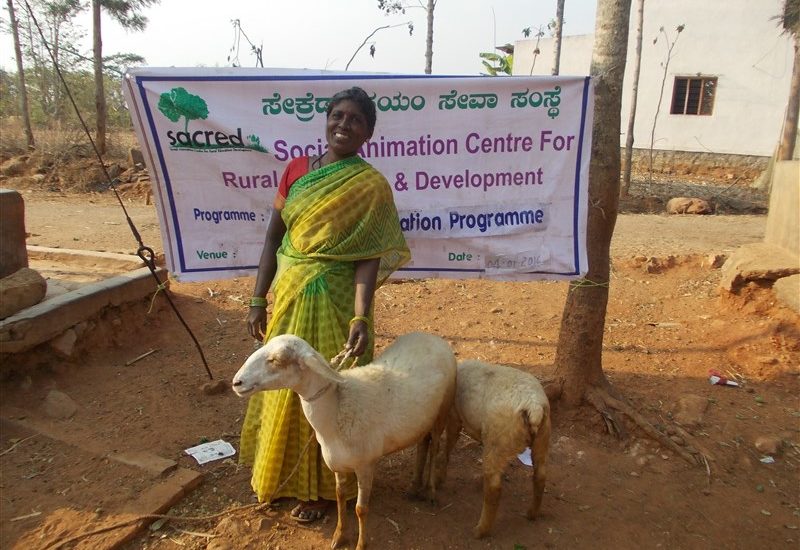
The aim and objective of income generation programme is to improve the standard of living conditions of the villagers and to improve economic stability of the poor and needy families, particularly women and the landless for a better quality of life.
The IGP programmes help families to take up various feasible schemes such as rearing of sheep and goats, dairy farming, seed banking, setting up petty shops/petty businesses, cocoon plates, vermi rearing etc.
She started with IGA programme where she get capital Rs. 5000/- & purchased 10 cocoon Plates, she used this plates for herself and given for rental outside through this rental she started earning for her life Rs. 400 to 500 season wise, now with this business she grown well & she started supporting to another family for IGA, under revolving concept again she purchased 10 plates total [20 plates] from the profit now she earning income of Rs. 800- 1000 per month through Income Generation Activity.
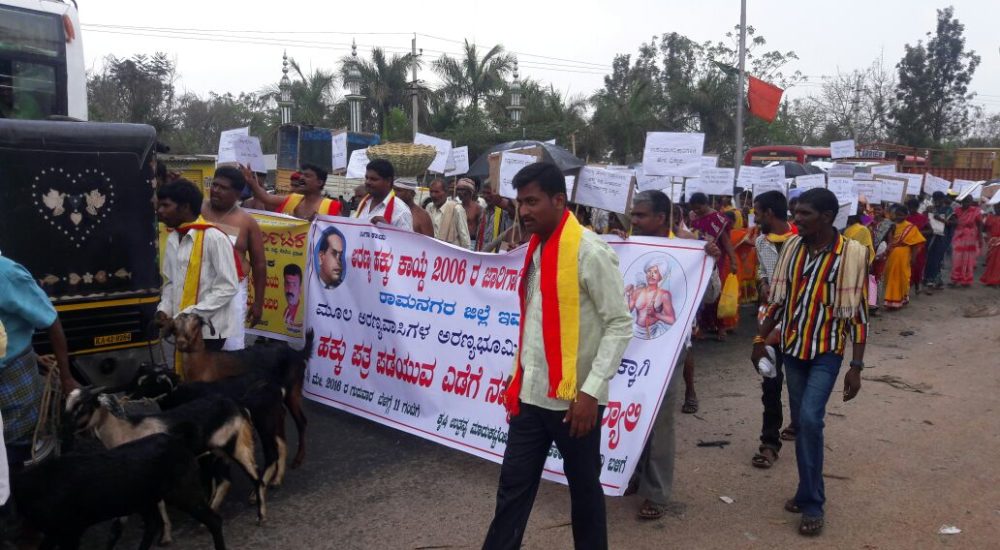
Rally on Farmers Land Acquisition
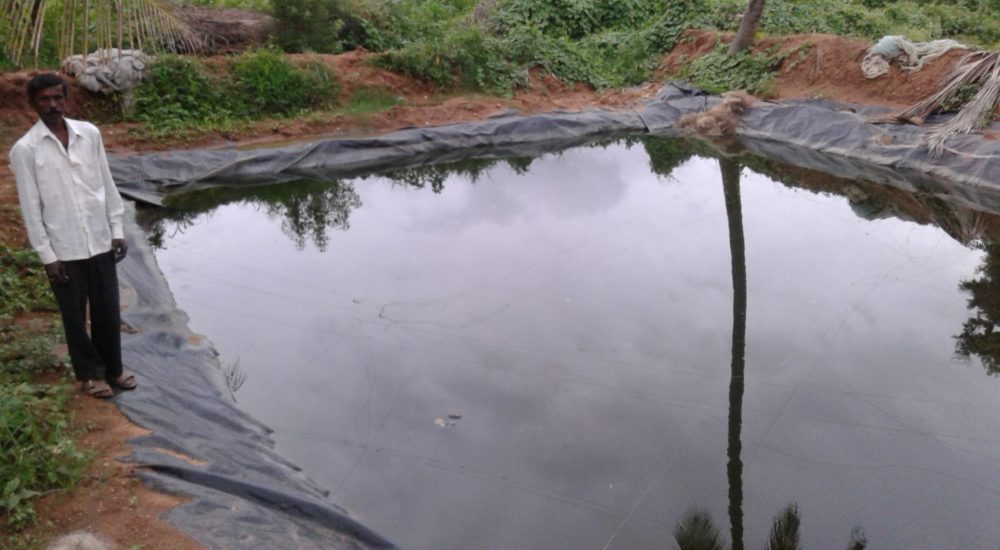
Karnataka is predominantly an agrarian State. 80% of the area depends on the monsoon for agriculture. Quite often even the meagre water from the unpredictable rains just drains away. If the rain water is prevented from draining away and stored properly, the ground water table gets recharged and the crops can get adequate water during critical conditions.
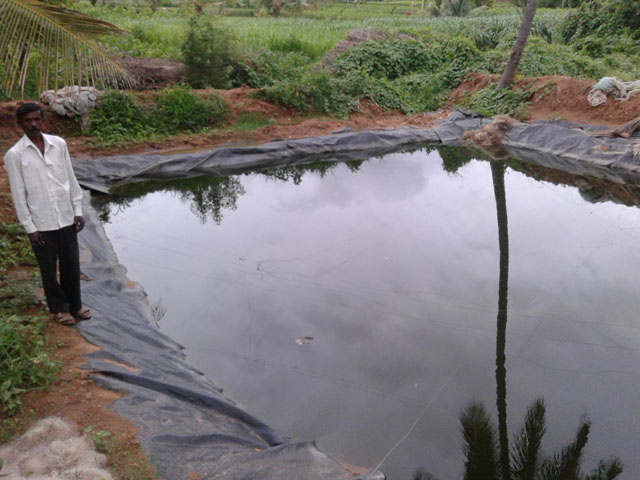
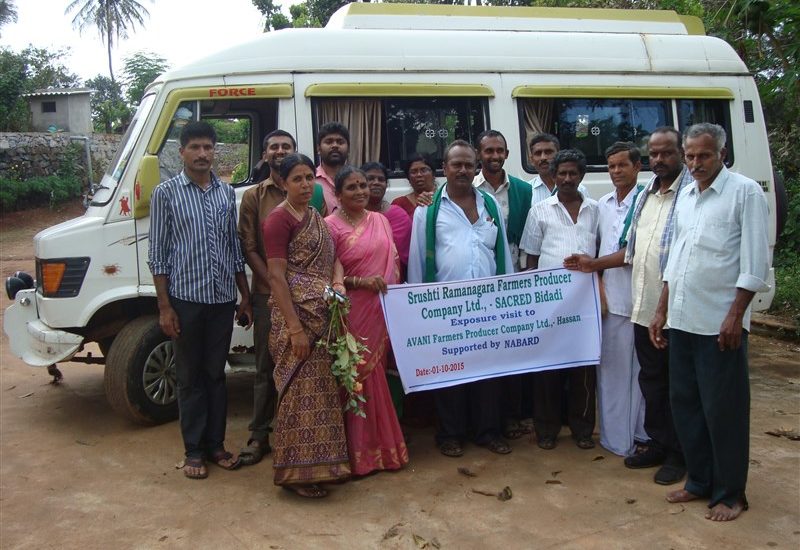
Mr.Ramaiah, aged 58 Years is from Danayakanapura Village and he belongs to backward community. There are 6 members in his family; his wife and 4 children. He is a small and marginal farmer depending on subsistence farming for his family livelihood. He has one acre of dry land. He is using chemical fertilizers to grow crop. He lives in a semi-arid region where rainfall is erratic and spatial. In this region, farmers are dependent on rainfed crops and cannot expect a good yield / returns on their investment. The last two years were almost drought and farmers met with massive loss because of crop failure and low yield. Ramaiah also didn’t get his returns back. He was almost depressed and planned to migrate to city for his livelihood. During this period, he attended the meeting organised by SACRED, a NGO in his village. In the meeting SACRED staff members explained farmers about the benefits of Sustainable Agriculture (SA) and how to adapt sustainable practices scientifically. SA assures guaranteed income to the farmer through adapting LEISA (Low external input sustainable agriculture) practices. He was impressed by the topics explained in the meeting. Ramaiah believed, SA practices are the only way to get rid-off from subsistence farming. He approached SACRED to get a detailed knowledge on SA practices.
SACRED noticed Ramaiah’s keen interest towards SA and decided to support him in both technical/ financial way. SACRED gave him trainings in life skills, leadership, capacity building, IGA and awareness about different schemes for SA from state/central government/NABARD.
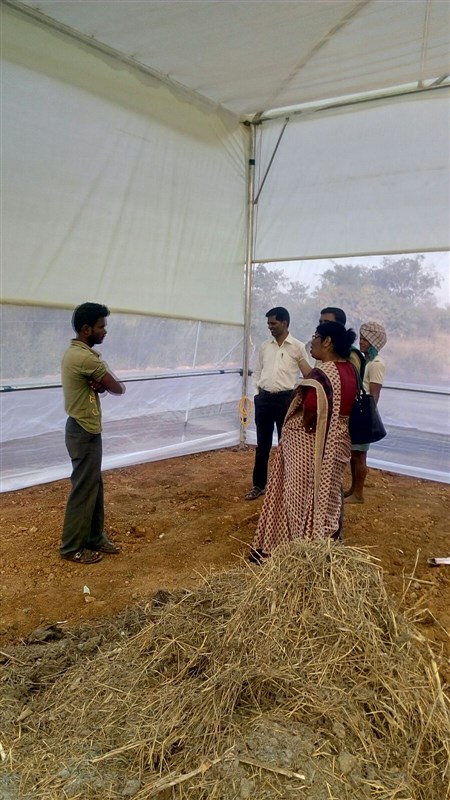
SACRED facilitated Ramaiah to avail a subsidized loan of Rs.25,50,000 through “Krushi Bhagya “ scheme for building a Polyhouse to practice SA. In the above said amount Rs.12,00,000 was subsidized.
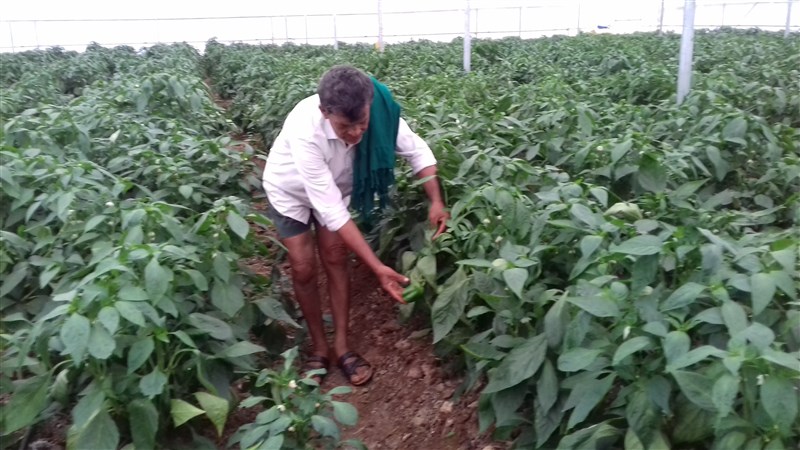
Ramaiah decided to grow commercial crops organically in his Polyhouse and through experts’ advice he decided to grow capsicum. SACRED’s vast knowledge and experience on SA practices supported him to get a good yield i.e. 15 tons for the first crop. Organic products has the huge demand both in western and national market, he was able to get a rate of Rs.50/Kg. His total returns were Rs.7,50,000 of that profit is Rs.1,50,000.
Now Ramaiah is a progressive farmer, leading life happily along with his family. Ramaiah is a leader of farmer’s group and also a role model to the farmers who has lost interest in farming.
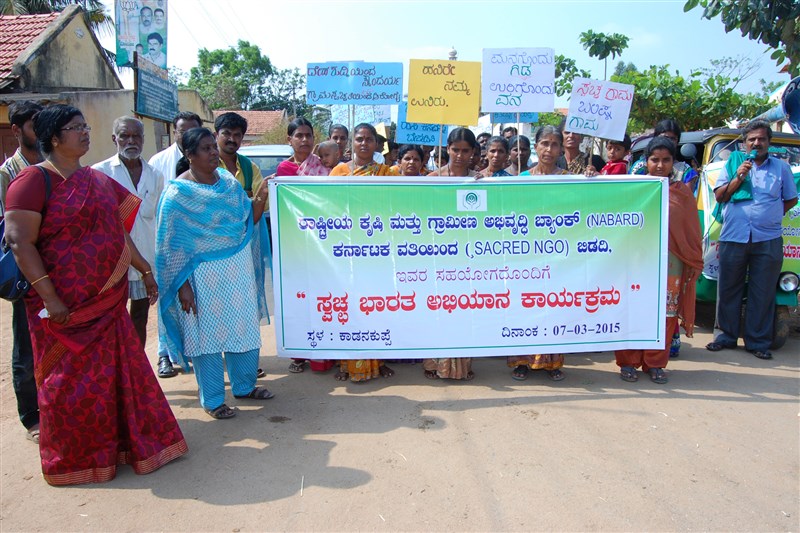
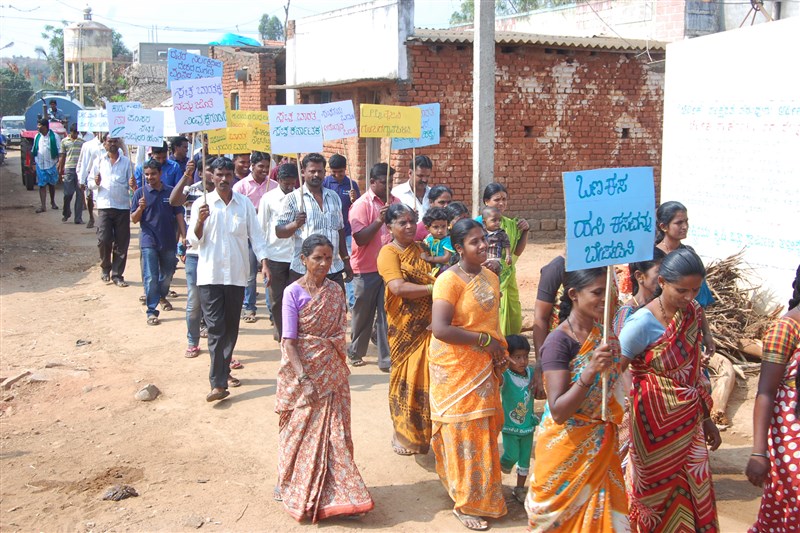
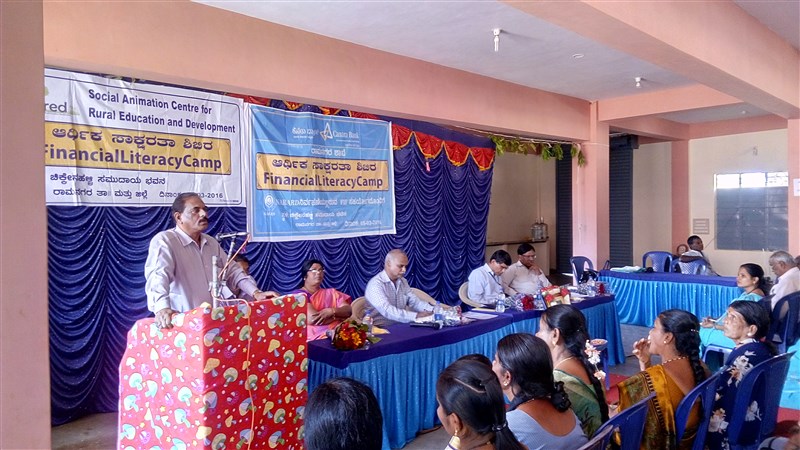
National Bank for Agriculture and Rural Development (NABARD) launched financial literacy and awareness programme (FLAP) to create awareness among the financially excluded people in rural areas.
FLAP aims to create awareness on various schemes like Prime Minister Suraskha Bima Yojana, Prime Minister Jeevan Jyoti Bima Yojana and Atal Pension Yojana. During the programme, people in rural areas would be taught on savings, credit, remittance, insurance and pension.
.jpg)
Karnataka State Finance Corporation has launched low interest rate schemes for rural youth’s starting their first Generation business. For SC/ST 4% per annum and for General 8% per annum.
Swatha Bheema Yojan, Jan-Dan Yojan and National Pension Schemes were launched.
Under the FLAP, special emphasis would be given on Atal Pension Yojana (a pension scheme) that guarantees a fixed monthly pension after turning 60 years.
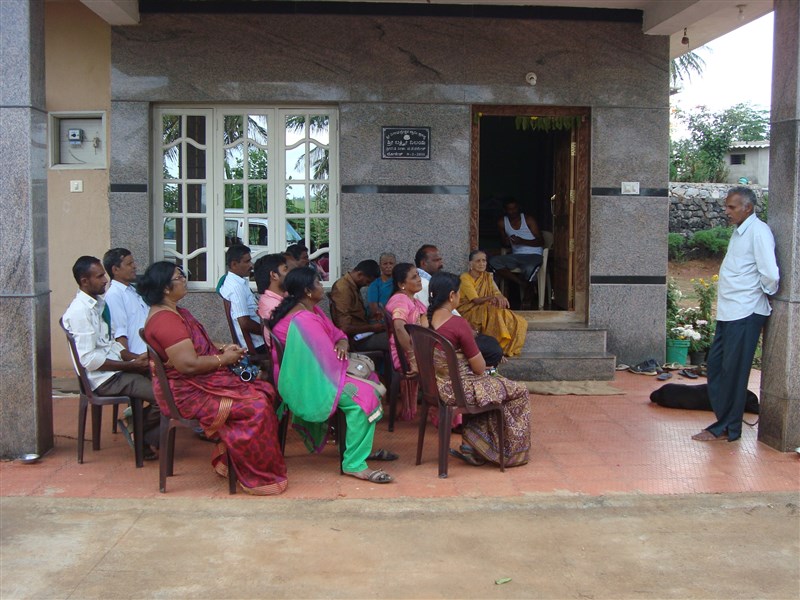
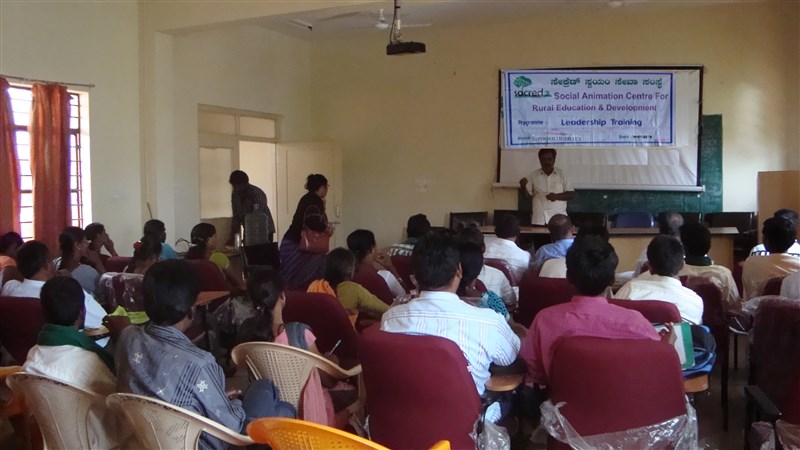
Leaders influence workers and assist them in reaching goals. They do not direct and dictate but they drive and encourage. Leadership seminars/trainings are conducted in order to help you develop the qualities of good leadership that are essential for the career and organizational success.
Some of the examples of good leadership qualities are: integrity, honesty, courage, commitment, sincerity, confidence, positivity and determination.
Good leaders usually have an intense perceptive of relationships within moderately large and complex systems and networks.
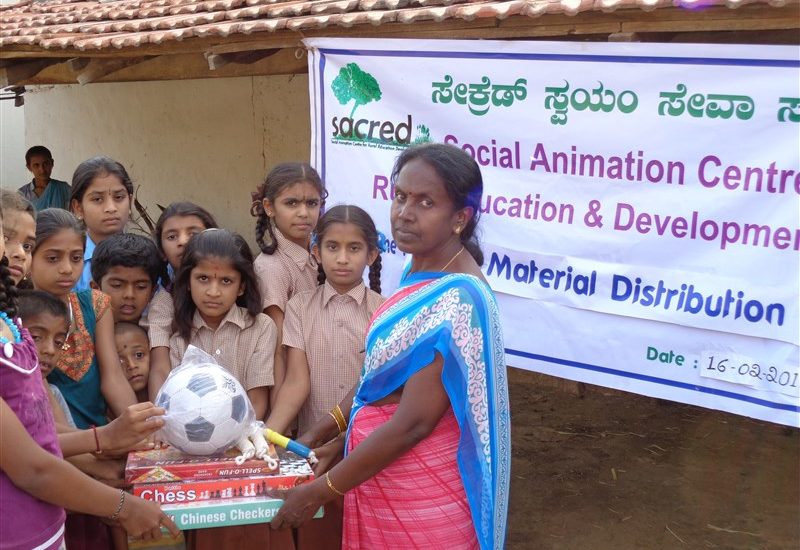
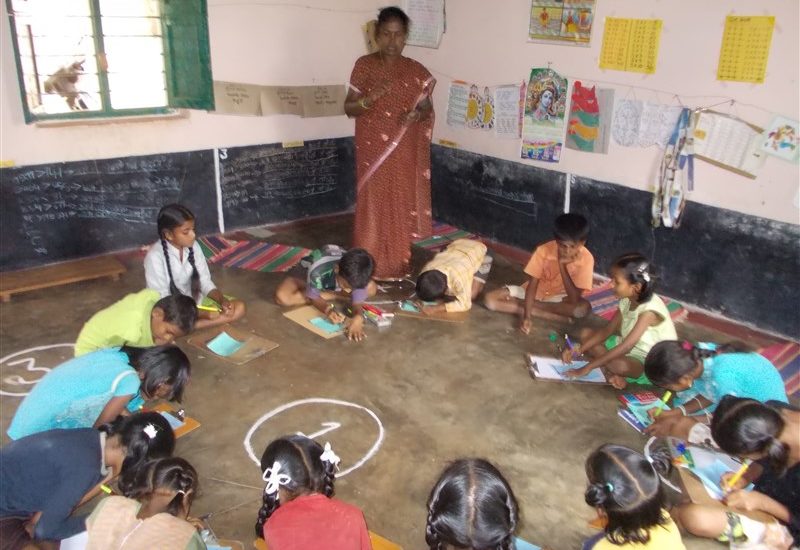
Child development refers to the transformations that occur as a child undergoes change and develops in relation to health, emotional, social and physical. Parents play important role in a child’s life, socialization and development. Child care programs have vital opportunity for the promotion of child development.
3 summer camps covering 150 children to be organized in the SACRED area of operation to expose their talents and broaden their perspectives or horizons.
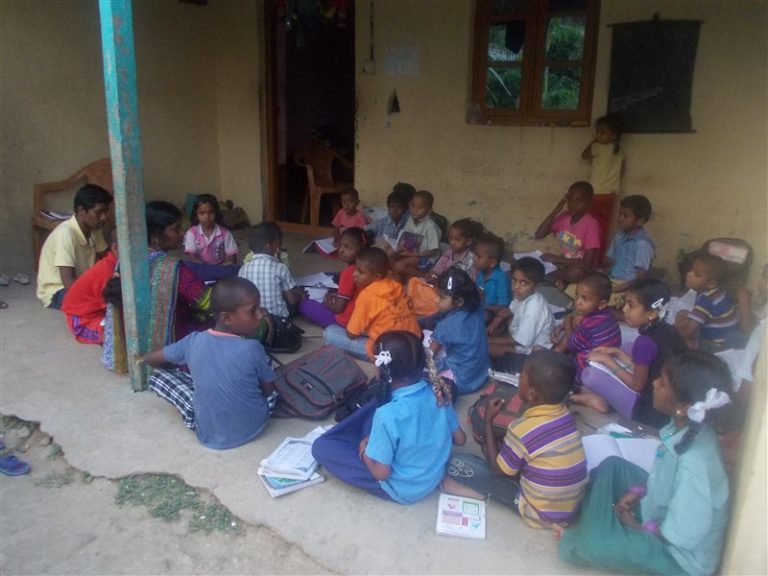
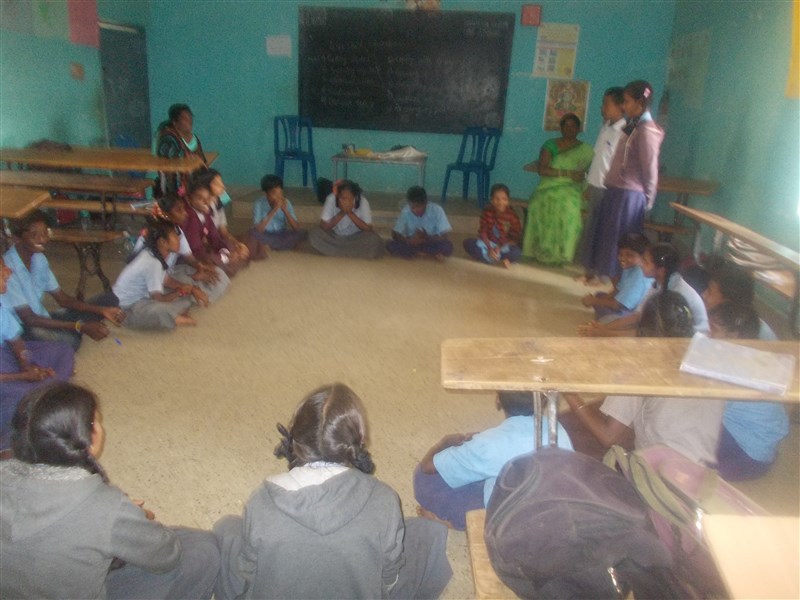
To impart life skill education for adolescent children in the age group of 14-18 years in order to prepare them to face life in the project area
180 adolescent girls and 180 boys will be assisted in 6 sensitization and capacity building programmes to steer their lives in the proper direction and make right choices regarding age of marriage, career guidance, personality development, building skills in the SACRED area of operation by 2014.